Insider tips for rubbish recycling and donation Knightsbridge
Posted on 21/10/2026
If you live or work in Knightsbridge, you already know the drill: space is tight, access can be awkward, and the wrong kind of rubbish has a habit of turning into a bigger job than it should be. That is exactly why Insider tips for rubbish recycling and donation Knightsbridge matter. Done well, recycling and donating can reduce waste, protect valuable items, and make clear-outs feel less chaotic. Done badly, you end up with missed donations, extra handling, and a pile of stuff nobody wants. Not ideal, obviously.
In this guide, we'll walk through the practical side of sorting, recycling, and donating in a way that actually works in a Knightsbridge setting. You'll get the local nuances, the common mistakes people make in flats and townhouses, and the smarter ways to decide what stays, what goes, and what can still be reused. A lot of it is common sense. A few bits are not. Let's get into it.
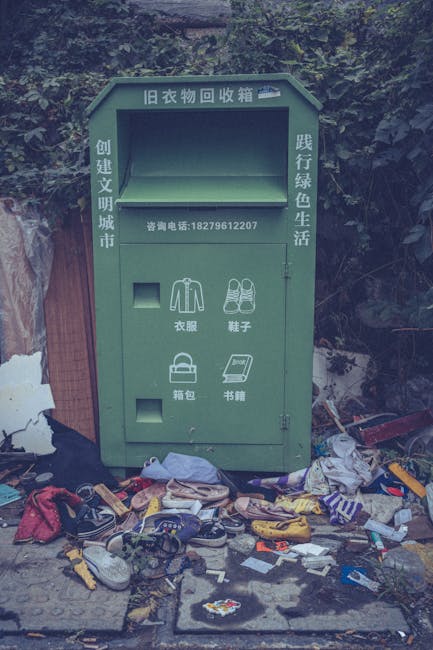
Why Insider tips for rubbish recycling and donation Knightsbridge Matters
Knightsbridge is not the sort of place where waste management is one-size-fits-all. You've got mansion blocks, mews properties, basement flats, busy retail addresses, and homes where the lift is small, the stairwell is narrower than you expected, and the front door opens straight onto a street with little room to linger. That changes everything.
For recycling and donation, the big issue is not just removing items. It's removing them in the right way. Some things can be donated with little effort if they're clean, complete, and still useful. Other items need separating into recyclable streams, handled carefully, or taken away as general rubbish. The more you sort at source, the smoother the process becomes. Simple, really, but people still miss it all the time.
There's also a trust element. If you are handing over furniture, electrical items, books, or household goods, you want them to go somewhere useful, not straight back into a skip because they were packed badly or damaged in transit. Good recycling and donation habits make that more likely. They also help reduce the volume of waste that needs disposal in the first place, which matters in a dense part of London where every trip and every bag counts.
And there's a practical side to the money too. Sorting properly can reduce disposal volume, cut unnecessary labour, and save time. It may also help you avoid the classic "we'll deal with it later" problem, which, to be fair, usually means you end up paying more later. Nobody enjoys that surprise.
How Insider tips for rubbish recycling and donation Knightsbridge Works
At a basic level, the process has three parts: identify what you have, separate what can be reused or recycled, and then arrange the right route for each category. In practice, that means a bit more thought than just chucking everything into black bags and hoping for the best.
Start by grouping items into broad categories:
- Donate: usable furniture, decent homeware, books, clothing, toys, and small appliances that are still working.
- Recycle: cardboard, metals, some plastics, glass, and certain electrical items that should not go into general waste.
- Dispose: broken, contaminated, or worn-out items that cannot be reused safely.
The better you separate these categories before collection day, the easier the removal becomes. If you've ever tried to sort a mixed pile in a hallway while the kettle's boiling and a neighbour needs through, you'll know why this matters. In a place like Knightsbridge, access and timing can make or break the job.
Donation works best when items are tidy and ready to pass on. Recycling works best when materials are not contaminated with food, liquids, or mixed waste. Disposal works best when you accept that some things are simply at the end of the road. There's no shame in that. Not every scratched coffee table deserves a second life.
For larger clear-outs, especially in flats or multi-room properties, it helps to think in terms of flow: what leaves first, what needs lifting carefully, and what should be kept aside for specialist handling. That approach is usually far more efficient than carrying everything out in one random sweep.
Key Benefits and Practical Advantages
There are a few clear reasons people in Knightsbridge take recycling and donation seriously, and they're not just about feeling virtuous on a Sunday afternoon.
- Less waste to dispose of: The more you recycle or donate, the less ends up in general rubbish.
- Cleaner, faster clear-outs: Sorting before collection saves handling time and avoids confusion on the day.
- Better use of good-quality items: Still-usable belongings can serve someone else instead of being thrown away.
- Reduced clutter stress: A staged approach makes the job feel more manageable, especially in busy homes.
- Improved presentation: Helpful if you're preparing a property for sale, letting, renovation, or a move.
- Lower risk of mistakes: Clear sorting reduces the chance of mixing recyclable materials with general waste.
Another practical benefit is timing. In a neighbourhood where people value discretion and efficiency, a tidy clearance plan matters. You want fewer trips, fewer delays, and less disruption to building staff, neighbours, or porters. That sounds obvious, but it's often the difference between a smooth job and an awkward one.
Expert summary: The best results usually come from sorting early, donating only what is truly reusable, recycling clean materials separately, and reserving general waste for the items that have no sensible second life.
Who This Is For and When It Makes Sense
This advice is useful for a wide mix of people. In Knightsbridge, that often includes homeowners, tenants, landlords, letting agents, retailers, office managers, and anyone doing a one-off declutter or moving out of a property. If you're looking around a room thinking, "Why do we still have this?" then this is probably for you.
It makes particular sense if you are:
- clearing a flat before a move
- refreshing a property between tenancies
- getting rid of outdated office furniture or stock packaging
- downsizing after many years in the same home
- sorting items after a renovation or redecoration
- trying to reduce landfill by donating usable belongings
It's also worth considering if you are dealing with a property that has awkward access, basement storage, or shared hallways. Those situations often benefit from a more careful, item-by-item plan rather than a rushed end-of-day sweep. Truth be told, the "just move it all later" method tends to cause more fuss than it solves.
If you're unsure whether a clear-out needs a simple collection, a full house clearance, or a more tailored rubbish removal plan, think about volume, item type, and access. If the pile is mixed and the property is tight, a more organised approach usually pays off.
Step-by-Step Guidance
Here's the practical process we'd suggest for most Knightsbridge rubbish recycling and donation jobs. It's straightforward, but the details matter.
- Walk through the property first. Do one slow pass and identify what is staying, what is going, and what might be donated. Keep a notepad or use your phone if that's easier.
- Sort into clear groups. Make separate piles for donation, recycling, general waste, and anything that needs special handling. Boxes, bags, and labels help more than people think.
- Check donation condition honestly. If an item is stained, missing parts, broken, or smells strongly of damp, it is probably not donation-ready. Be ruthless here. That old chair with a wobbly leg? Maybe not.
- Prepare recyclable materials properly. Flatten cardboard, empty containers, and keep recyclable items as clean as practical. Mixed mess makes the whole load harder to process.
- Identify bulky or awkward items early. Wardrobes, mattresses, large desks, and old appliances need planning. Measure doorways if you suspect a tight squeeze.
- Bundle by room or floor. This makes collection easier and reduces confusion on the day. A basement item should not be hidden behind a stack of hallway bags.
- Set aside valuables and documents. It sounds obvious, but paperwork, keys, cash, jewellery, and sentimental items have a knack for disappearing into general clutter.
- Decide what needs specialist attention. Electricals, fridges, paint, chemicals, and some bulky goods may need extra care or a different disposal route.
- Book the collection with access in mind. For Knightsbridge, timing, parking, loading access, and building rules can affect the smoothness of the job.
- Do a final room check. Open cupboards, look behind doors, and inspect lofts, basements, and under beds. People always forget one shelf. Always.
If you're handling the job yourself, work in stages rather than trying to finish everything in one go. If you're using a clearance team, clear communication upfront saves a lot of awkward back-and-forth later. A quick text or note can make the day run much more neatly than a long explanation on the doorstep.
Expert Tips for Better Results
Here are the bits that tend to separate a smooth recycling-and-donation job from a slightly messy one.
1) Think in terms of item quality, not just item type
People often sort by category first and condition second. The better order is usually the other way round. A wooden chair and a broken wooden chair are not the same thing. One can be reused. The other, not so much.
2) Keep donation items visibly clean
Even when something is usable, presentation matters. A quick wipe, a bag for loose accessories, or a taped-up bundle of cables makes donations more likely to be accepted. It also helps protect the item in transit.
3) Don't mix food waste with recyclable packaging
This one is common in kitchens and office breakout spaces. A greasy pizza box looks recyclable at a glance, but contamination can ruin the lot. If in doubt, separate the clean from the dirty. Much safer.
4) Photograph items before they leave
If you're managing a flat, an estate, or a business premises, photos can help keep everyone aligned on what was removed. It's not flashy, just practical. Handy if there are multiple decision-makers. Or memory gaps.
5) Plan for narrow access before collection day
Knightsbridge properties can have awkward corners, limited parking, or tighter internal stairs than expected. Measure large items, clear routes, and protect walls and corners if needed. You do not want a beautiful hallway nicked by a wardrobe on the way out.
6) Separate sentimental items early
This sounds soft, but it's one of the smartest things you can do. Once you're in the middle of a clearance, it becomes harder to make clear decisions. Pull aside personal papers, keepsakes, and family items before the main sorting starts.
One last point: recycling and donation both work best when you are realistic. Generous, yes. Deluded, no. That balance saves time and keeps the process respectful.

Common Mistakes to Avoid
Some errors crop up again and again, and they're usually avoidable if you slow down for five minutes.
- Leaving sorting until collection day: This creates pressure and usually leads to rushed decisions.
- Donating damaged items: If something has clearly reached the end of its useful life, don't pass the problem on.
- Mixing waste streams: Recyclables, general waste, and reusable items should stay separate where possible.
- Underestimating access issues: Tight staircases, loading restrictions, and nearby traffic can easily slow things down.
- Forgetting hidden storage areas: Basements, cupboards, lofts, and utility rooms are where forgotten clutter loves to hide.
- Assuming everything can be collected together: Some items need different handling, especially bulky goods and electricals.
There's also a psychological trap. Once the visible clutter starts shrinking, people often think the job is nearly done when there is still a surprising amount left tucked away. That second wave is where mistakes happen. Keep going.
A practical tip? Do one final "doorframe scan" before anything leaves. If it won't fit easily out of the property, or if it needs twisting, lifting, or dragging, pause and reassess. Better that than a chipped wall and a bruised knuckle. Ask anyone who has done a rushed clearance in a mews property on a wet afternoon.
Tools, Resources and Recommendations
You do not need a complicated setup to manage recycling and donation well, but a few simple tools make the job easier.
- Strong bags and boxes: Use sturdy containers so sorted items do not fall apart before collection.
- Labels or marker pens: Label donation, recycling, and waste piles clearly.
- Sticky notes or room tags: Useful for larger properties with multiple floors or mixed occupancies.
- Measuring tape: Essential for bulky furniture and tricky access points.
- Cleaning cloths: Handy for wiping down donation items quickly.
- Phone camera: Great for documenting what is leaving and what remains.
As for service choices, think about what the property actually needs. A single-room declutter, a full house clearance, and a small office clear-out are very different jobs, even if they all involve "rubbish." Matching the method to the mess saves money and avoids over-ordering a service you do not need.
You may also want to read more about the wider approach to recycling and sustainability if you are trying to build a longer-term habit rather than just tackling one-off clutter. For some readers, that bigger picture is the bit that makes everything click.
If the job includes more than simple bagged waste, it can help to understand the broader options in the services overview, especially where different types of items need different handling. And if you are comparing a few types of removal support, the local rubbish collection Knightsbridge page may help frame what is most suitable for your situation.
Law, Compliance, Standards, or Best Practice
You do not need to be a legal expert to manage household or business waste properly, but you do need to handle it responsibly. In the UK, waste should be passed to an appropriate and authorised route, and it is generally best practice to keep records, checks, and handovers sensible where business waste is involved. The exact requirements can depend on the type of waste and who is producing it, so caution is wise here.
For private residents, the simplest rule is this: do not leave waste in a way that causes obstruction, nuisance, or unsafe storage. For businesses, the standard should be higher. Sort materials, use suitable collection arrangements, and keep clear of mixing recyclable materials with general waste where that creates avoidable contamination.
It is also sensible to treat donation carefully. Only pass on items that are safe, clean, and in a condition someone else would genuinely be able to use. A charity, reuse outlet, or receiving organisation should not have to fix basic damage just to make an item usable. That's not really a donation then, is it?
If the clear-out involves building materials, electrical appliances, or unusual items, be extra careful. Some categories need specific handling and should not be treated like ordinary household rubbish. Where there is any doubt, pause and check rather than guessing. Guessing is expensive.
For properties with tighter access or higher-spec finishes, it is also sensible to think about insurance and damage prevention. A careful approach, floor protection, and a proper lifting plan are more than just nice-to-haves. They help reduce the risk of accidental harm during removal.
Options, Methods, or Comparison Table
Not every clear-out needs the same method. Here is a simple comparison to help you decide what makes sense.
| Method | Best for | Pros | Watch-outs |
|---|---|---|---|
| Self-sorting and donation drop-off | Small amounts of reusable items | Low cost, high control, good for simple jobs | Time-consuming, requires transport, easy to overestimate what can be donated |
| Recycling-focused collection | Sorted materials and mixed household waste | Efficient, cleaner outcome, less landfill | Needs proper separation and preparation beforehand |
| Full clearance service | Large declutters, moving house, end-of-tenancy jobs | Fast, less lifting for you, handles mixed loads | Can cost more if access is difficult or items are not pre-sorted |
| Phased clear-out | Properties with a lot of sentimental or mixed content | Less pressure, more thoughtful decisions, better donation outcomes | Takes longer and needs follow-up |
For many Knightsbridge properties, the phased approach works surprisingly well. You get breathing room. You also avoid the classic "everything has to go today" feeling, which usually leads to regret later. The tidy, staged method is often calmer and cheaper in the long run.
Case Study or Real-World Example
Picture a top-floor flat in Knightsbridge being cleared ahead of a move. The property has a mix of old books, a solid sideboard, two lamps, some boxes of clothing, a broken desk chair, kitchen clutter, and a few electrical items. Nothing dramatic, but enough to feel messy once you start opening cupboards.
The first pass is just sorting. The sideboard is checked for condition and separated for possible reuse. The books are boxed neatly. The clothes are divided into wearable and worn-out. The chair is set aside for disposal because the frame is damaged. The lamps are tested, and the cables are tied safely together. Small stuff, but it adds up.
On the day of removal, the team has a clear route, the hallway is protected, and the reusable items are already grouped. That means faster loading, less backtracking, and fewer chances of mixing donation items with rubbish. The whole thing feels calmer than it looked on paper. That's usually how the best jobs go.
What stands out in that kind of example is not the size of the pile, but the discipline of the sorting. The flat didn't need miracle-level organisation. It just needed an early decision on what could be reused, what could be recycled, and what had reached its final stop. Most clear-outs are like that, honestly.
Practical Checklist
Use this checklist before collection day or before you start sorting a property.
- Separate donation, recycling, and general waste into different piles
- Check donation items for cleanliness, completeness, and working condition
- Flatten cardboard and empty containers where practical
- Remove personal documents, valuables, and sentimental items first
- Measure large items against doorways and stair access
- Check whether any electricals or bulky items need special handling
- Clear a route from each room to the exit
- Protect walls, floors, and corners if access is tight
- Label rooms or bags so nothing gets mixed up
- Do a final walkthrough of storage spaces, cupboards, and behind furniture
If you can tick off most of these before anyone starts lifting, you are already ahead of the game. It sounds almost too simple, but that is the point.
Conclusion
Good recycling and donation habits in Knightsbridge are about more than getting rid of clutter. They're about making sensible choices, reducing waste, respecting usable items, and avoiding the friction that comes from rushed decisions. Once you get the rhythm of it, the whole process becomes much easier to manage.
Start with sorting. Be realistic about condition. Keep donation items clean, recycling streams separate, and disposal for the things that genuinely have no second life. If access is awkward or the property is busy, plan a little more than you think you need. That extra bit of preparation usually pays off.
And if you want a broader understanding of how local clearance and recycling decisions fit together, it can help to explore the main site pages for context, including the about us page and the wider house clearance Knightsbridge service information. If you are weighing up different collection options, the pricing and quotes page is also a useful next stop.
Get a free quote today and see how much you can save.
Small steps make the biggest difference, really. A thoughtful clear-out leaves a place lighter, tidier, and oddly calmer too.


Copyright © . House Clearance Knightsbridge. All Rights Reserved.