Small business rubbish removal Knightsbridge for shops offices
Posted on 17/08/2026

If you run a shop, office, studio, salon, or small practice in Knightsbridge, rubbish has a way of piling up at exactly the wrong moment. One day it is a few cardboard boxes and packaging; the next, it is old display fixtures, broken chairs, desk waste, or a stockroom that feels one delivery away from chaos. Small business rubbish removal Knightsbridge for shops offices is really about keeping your premises safe, presentable, and workable without turning waste into a daily headache.
In a place like Knightsbridge, that matters even more. Access can be tight, loading windows can be awkward, and your customers or staff probably do not want to step past a bag stack on the pavement. This guide walks through how the service works, what to expect, how to avoid the usual mistakes, and how to choose the right approach for your business. A little planning goes a long way. Honestly, it saves a lot of faff later.
- Why it matters
- How it works
- Key benefits
- Who needs it
- Step-by-step guidance
- Expert tips
- Common mistakes
- Tools and resources
- Compliance and best practice
- Options and comparison
- Real-world example
- Checklist
- Conclusion
- Frequently asked questions
Why Small business rubbish removal Knightsbridge for shops offices Matters
For local businesses, rubbish removal is not just about tidiness. It affects trading conditions, first impressions, workplace safety, and time. If a shop floor is crowded with packaging, or an office has old filing cabinets and boxes in the corridor, people notice. Staff notice too. And let's face it, nobody does their best work while stepping around waste.
Knightsbridge brings an extra layer of pressure because space is valuable and the streets are busy. A small delay in collection can spill into opening hours, deliveries, or customer visits. That is why a proper commercial waste plan is often better than trying to "just deal with it later". Later usually turns into Friday afternoon, when everyone is rushing and the lift is already booked.
There is also the question of presentation. A smart storefront, reception area, or shared office entrance can be undermined by overflowing bins or broken furniture waiting to be moved. In a premium area, the standard is higher. Not fancy, just clean, orderly, and under control.
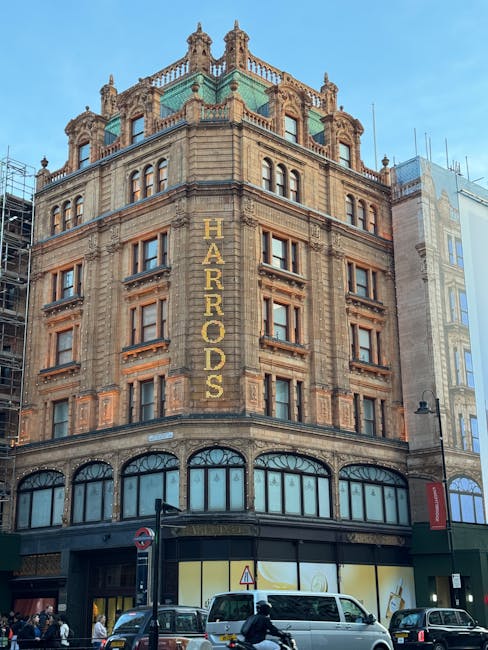
If your business is also dealing with fit-outs, refurbishments, or regular stock turnover, it can help to read adjacent local guidance such as the Brompton Road rubbish removal guide and delivery-zone waste rules around Harrods. Those pages are useful because access, timing, and local movement constraints can shape what is actually practical.
How Small business rubbish removal Knightsbridge for shops offices Works
In simple terms, the process starts with identifying what needs to go, what can be recycled, and whether anything needs special handling. A good provider will then estimate the volume, explain the timing, and arrange collection around your opening hours or access restrictions.
For small businesses, the service usually falls into one of a few patterns:
- One-off clearances for a shop refit, office move, or stockroom reset.
- Scheduled collections for regular commercial waste, cardboard, and mixed rubbish.
- Same-day or short-notice collections when something unexpected needs to be out quickly.
- Targeted removals for bulky items such as shelving, desks, chairs, filing units, or display fixtures.
The practical part is access. Knightsbridge streets and buildings can be awkward, especially where there are narrow entrances, shared corridors, basement stockrooms, or limited loading areas. If your premises are on a busy road or close to transport hubs, timing becomes part of the plan. That is why pages like same-day rubbish removal near Knightsbridge Station and what happens when narrow access causes delays are helpful reading before you book.
Collection itself is usually straightforward once the details are agreed. The team arrives, loads items, sorts what can be recycled, and removes waste for lawful disposal. The best providers keep the process calm and tidy. No drama, no guessing, just a quick in-and-out. That is the goal anyway.
Key Benefits and Practical Advantages
The biggest benefit is time. Business owners already have enough to do without organising multiple trips to a tip or letting waste sit around until it becomes a problem. One collection can reset a whole space.
Other practical advantages include:
- Better customer impression - a tidy shopfront feels more trustworthy and more professional.
- Safer working conditions - less trip risk, fewer blocked walkways, fewer awkward lifts of heavy items.
- More usable space - especially valuable in small offices and compact Knightsbridge retail units.
- Less disruption - removal can be timed around trading hours, deliveries, or staff breaks.
- Improved recycling - cardboard, metals, and reusable items can be separated properly instead of mixed into one black-bag pile.
There is also a softer benefit that people often overlook: peace of mind. When waste is handled properly, nobody has to wonder whether the back room is becoming a fire hazard or whether those old chairs are going to be in the way for another two weeks. It is a small relief, but it matters.
Expert summary: For small shops and offices in Knightsbridge, the best rubbish removal solution is usually the one that fits your access, timing, and waste type first - not the one that looks cheapest on paper.
That last point is worth sitting with for a second. Cheap quotes can be tempting, of course. But if they do not reflect access, loading time, or disposal needs, you may end up paying more later. The article on avoiding hidden rubbish removal costs in Knightsbridge is a sensible companion read.
Who This Is For and When It Makes Sense
This kind of service is for businesses that generate waste faster than a small internal bin routine can manage. In practice, that includes:
- Independent shops with stockrooms or seasonal display changes
- Offices replacing old furniture, printers, monitors, and paperwork
- Salons, clinics, and studios with packaging and equipment waste
- Cafes and hospitality-adjacent premises with ongoing cardboard and mixed rubbish
- Landlords or managing agents handling a small commercial turnover
- Businesses moving location, reducing floor space, or refreshing interiors
It also makes sense if your team spends too much time managing waste instead of actual work. That sounds obvious, but it is exactly how many small businesses drift into inefficiency. A couple of employees start stacking boxes "for now", then a spare corner becomes permanent storage, and then suddenly nobody can find the fire exit signage without moving three chairs. Not ideal.
If you are unsure whether you need a full office clearance or a lighter rubbish collection, the distinction is usually simple: if most of the value is in removing bulky, mixed, or accumulated items, an office clearance route may be more efficient. If the job is mainly ongoing bags, packaging, and smaller waste loads, regular collection can be enough. For a broader view, the services overview and office clearance page are both worth a look.
Step-by-Step Guidance
If you want the process to run smoothly, here is the most practical way to approach it.
- List the waste clearly. Separate cardboard, mixed rubbish, furniture, electronics, and anything that may need special care. A rough list is better than a vague "a lot of stuff".
- Check access. Note stairs, narrow corridors, lift size, loading restrictions, and whether there is space for a vehicle nearby.
- Choose a collection window. Try to avoid your busiest trading times. Early mornings or quieter periods often work best.
- Ask what is included. Make sure labour, loading, disposal, and recycling are covered in the arrangement. No one likes surprise add-ons later.
- Prepare the area. Put waste in one place if possible, label anything fragile, and keep walkways clear.
- Confirm any building rules. Some sites have porter instructions, delivery restrictions, or landlord requirements.
- Review what leaves and what stays. A quick final check on the day avoids accidental disposal of files, stock, or useful equipment.
If your premises are in a difficult spot, a little extra planning goes a long way. I have seen jobs run late simply because a van could not pull up where everyone assumed it could. Knightsbridge can be like that: beautiful, busy, and not always convenient.
For more local context, you may also find the notes on permits for waste removal in Knightsbridge useful, especially if your rubbish needs temporary placement outside your premises.
Expert Tips for Better Results
Here is where experience really helps. A bit of forethought can make the job faster, cleaner, and cheaper in practical terms.
- Use one waste point. Even if waste comes from different parts of the building, gathering it in one location makes collection far easier.
- Flatten cardboard early. Shops and offices produce a surprising amount of packaging. Flattened boxes take up far less space.
- Keep confidential waste separate. Paper files, old client documents, and sensitive records should not be casually mixed in with general rubbish.
- Photograph bulky items before collection. This is especially useful if you need to confirm what has been removed.
- Ask about recycling streams. Office waste often includes items that could be separated rather than treated as mixed waste.
- Book before a deadline. If you are planning a refit, stock change, or move, do not leave removal to the last afternoon. You will regret it, probably while standing next to a half-dismantled desk.
One small but useful habit is to keep a "waste week" once a month or quarter. During that time, team members flag anything broken, obsolete, or no longer needed. It stops clutter from becoming invisible. And yes, clutter does become invisible after a while. That is the strange part.
Common Mistakes to Avoid
Most problems with small business rubbish removal are avoidable. The tricky bit is that they often look minor at first.
- Guessing the volume - underestimating waste is one of the quickest ways to create extra cost or delays.
- Ignoring access restrictions - if a van cannot get close enough, everything slows down.
- Mixing recyclable and general waste without thinking - that can reduce recycling opportunities and complicate handling.
- Leaving it until the last minute - especially before a launch, inspection, or end-of-lease clean.
- Forgetting landlord or building rules - some properties have strict instructions on where waste can be stored.
- Choosing only on price - the cheapest option can become expensive if it does not fit your site.
There is also a hidden mistake: assuming a small pile of waste is harmless because it is only temporary. In offices, even a small pile can block airflow, create trip risk, or make the place look unfinished. In shops, it can quietly knock customer confidence. Small issue, big feel.
If you want to compare costs sensibly, the guides on SW1X rubbish collection costs and pricing and quotes can help you think through what affects the final figure.
Tools, Resources and Recommendations
You do not need fancy systems to manage business waste well. A few simple tools and routines usually do the job.
- Labelled bins or sacks for cardboard, general waste, and reusable items
- Basic inventory notes for old office furniture or stockroom items being cleared
- Building access notes for drivers or collection teams
- Photo records for bulky items, especially before refurbishments or moves
- Internal waste schedule so staff know when to clear back areas
In terms of website resources, a few pages are especially helpful for planning responsibly. Recycling and sustainability is useful if you want to think more carefully about sorting and disposal. Insurance and safety is a sensible read if you are concerned about access, lifting, or workplace risk. And if you are still mapping out the wider service fit, waste removal in Knightsbridge gives a broader view of the overall approach.
One practical recommendation: keep a small internal log of recurring waste types. After a few weeks, you will probably spot a pattern - maybe packaging spikes every Thursday, or office paper waste jumps after a monthly admin cycle. That kind of detail helps you choose the right schedule without overpaying.
Law, Compliance, Standards, or Best Practice
For business waste in the UK, the key point is simple: you remain responsible for waste produced by your business until it is handled properly. That means you should be careful about who removes it, where it goes, and whether the handling is appropriate for the type of waste. This is especially true for commercial premises where waste may include furniture, mixed rubbish, confidential paperwork, or items that need separate handling.
In everyday terms, good practice usually includes:
- Using a provider that explains how waste is collected and managed
- Keeping a clear record of what is being removed
- Separating recyclable material where practical
- Making sure anything hazardous, sharp, or sensitive is identified in advance
- Checking site rules, local restrictions, and any building-level requirements
If your business operates from a managed property, you may also need to follow landlord, concierge, or estate instructions. That can affect where waste is staged, when it can be moved, and whether a booking window is required. It sounds minor until you miss a window and everybody is waiting. Then it becomes very major, very quickly.
For local best-practice context, it can help to review bulky waste rules for Kensington and Chelsea and what to know about permits. Even when you are not dealing with a formal council collection, the practical principles still matter: do not block access, do not leave waste where it creates nuisance, and do not assume every item can be treated the same way.
Options, Methods, or Comparison Table
Different waste removal methods suit different business situations. If you are deciding between regular collection and a one-off clearance, this comparison should help.
| Option | Best for | Advantages | Watch out for |
|---|---|---|---|
| Regular rubbish collection | Shops and offices with steady day-to-day waste | Predictable, tidy, easy to schedule | Less suited to bulky one-time clear-outs |
| One-off commercial clearance | Moves, refurbishments, deep declutters | Fast reset, good for bulky items | Needs better planning for access and volume |
| Same-day removal | Urgent situations or sudden overflow | Quick response, minimal disruption | Availability may depend on route and timing |
| Mixed waste pickup | Premises with varied waste types | Convenient for busy teams | Recycling opportunities can be missed if sorting is poor |
If you run a compact office, a regular collection plus occasional clearance may be enough. A retail unit, by contrast, often benefits from a more flexible arrangement, especially around stock changes, seasonal packaging surges, and refurbishment work. It really depends on the rhythm of your business.
Sometimes the decision is made by access more than waste type. A basement stockroom with narrow stairs will push you toward a more planned service, while a ground-floor office with simple loading might be straightforward. If you want more detail on access-related planning, this guide to narrow-access delays is well worth a look.
Case Study or Real-World Example
A small independent office near Knightsbridge had a familiar problem: old desks, packaging from new equipment, broken task chairs, and a back room that had turned into a dumping ground for "temporary" items. Nothing dramatic, just enough clutter to make the space feel smaller and more stressful than it needed to be.
The team first tried to sort it internally, but the issue was access. The corridor was narrow, and the lift could not take the larger desks. They needed a clear plan, not just strong arms and good intentions. So they separated everything into three groups: recyclable cardboard, reusable office items, and mixed waste for removal. They also checked the best collection time so staff and visitors would not be disrupted.
The result was not flashy, just effective. The office got its space back, the entrance looked tidy again, and the staff no longer had to sidestep a line of boxes every morning. That little reset changed the feel of the room. You could almost hear the difference - less clatter, less shuffle, more room to breathe.
This is a common story in Knightsbridge, especially where premises are small and every square metre counts. A cluttered shopstock room or office corner can become part of the background too quickly. Once it is removed, people often realise how much mental space it was taking up.
Practical Checklist
Use this before booking any small business rubbish removal in Knightsbridge.
- Identify all waste types clearly
- Separate bulky items from general rubbish
- Check stairs, lift access, and loading options
- Confirm collection timing around business hours
- Ask about recycling and reuse handling
- Review any landlord or building restrictions
- Keep confidential papers separate
- Make sure the waste is gathered in one accessible place
- Take quick photos of bulky or unusual items
- Double-check what should stay and what should go
Quick rule of thumb: if the waste would annoy staff, block movement, or look bad to customers, it is probably worth removing sooner rather than later.
Conclusion
Small business rubbish removal Knightsbridge for shops offices is really about keeping your business easy to run. When waste is handled properly, your space feels calmer, safer, and more professional. That is true whether you are clearing a small back office, resetting a stockroom, or handling a one-off shop clearance after a refurb.
The best results usually come from simple preparation: know what you have, understand your access, book at the right time, and choose a method that fits the site instead of fighting it. Knightsbridge does not reward guesswork. It rewards neat planning, clear communication, and a realistic approach to space and timing.
If you are weighing up your next step, start with the practical basics first. Then decide whether a collection, a clearance, or a more regular arrangement makes the most sense for your premises. That is usually where the smart answer lives.
Get a free quote today and see how much you can save.
And if today is one of those messy days, that is fine too. One tidy clearance can make the whole place feel lighter by tomorrow morning.


Copyright © . House Clearance Knightsbridge. All Rights Reserved.